
The Psychology of Jury Persuasion.
Leverage Bias & Behavior Science Expertise
Never underestimate the power of psychology in shaping perception and mastering persuasion to unequivocally win justice for your clients.
Learn how jurors will think, process information, react, and make decisions. Whether evaluating your opening and closing statements, scrutinizing day and life videos, analyzing credibility, or preparing witness and expert testimonies, you are supported at every stage of the trial process, where decisions and outcomes ultimately rest in the hands of people.
Trial Preparation Consulting Services
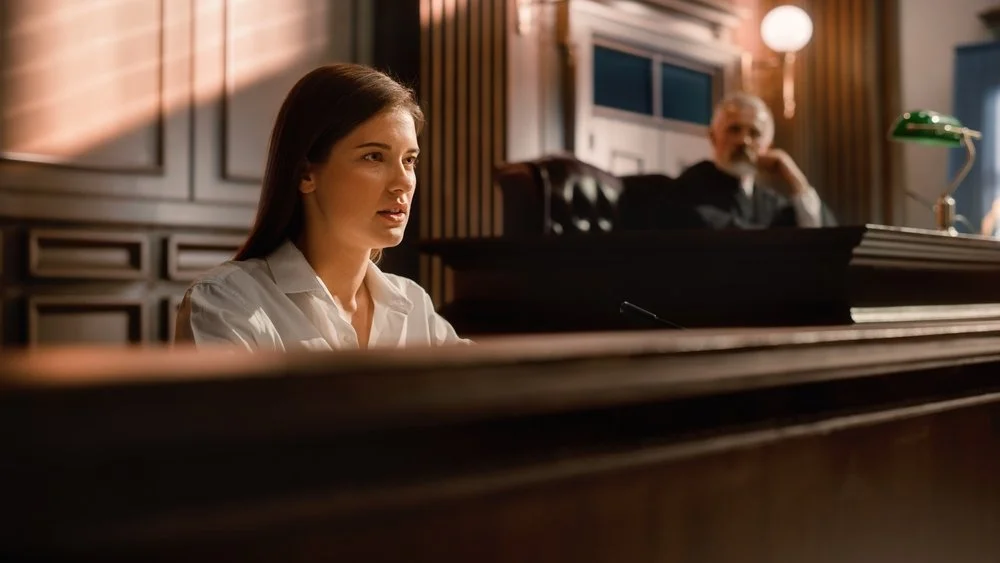
Dr. Brandreth brings deep expertise in psychology, neuroscience, perception, and narrative structure. She works with clients to access and articulate their story across five critical stages — life before the event, the event itself, the immediate aftermath, the prolonged impact, and the future that has been altered. Her work focuses on how memory is encoded and retrieved under stress, how emotion influences recall, and how trauma or disruption can fragment narrative sequence. She helps clients access their truth story in their voice and their words. By strengthening emotional regulation, reducing cognitive overload, and aligning verbal and nonverbal communication, she prepares witnesses to remain grounded under cross-examination while conveying impact in a way that jurors can process, understand, and trust.

Dr. Tiffany Brandreth serves as an HR Expert Witness in federal and state employment litigation involving allegations of discrimination, retaliation, wrongful termination, harassment, failure to accommodate, compensation disputes, and systemic failures in HR governance and organizational accountability. Her work centers on disciplined, evidence-based analysis of whether the Human Resources Standard of Care was upheld across leadership decision-making, HR responsibilities, and governance oversight structures. Grounded in organizational psychology, accepted HR methodologies, and governance principles, her expert findings are structured to withstand scrutiny in deposition and trial, providing clear, independent assessment of whether professional standards were met under the circumstances presented.

Dr. Tiffany Brandreth conducts independent HR investigations involving allegations of discrimination, retaliation, harassment, misconduct, performance disputes, and governance breakdowns. Her investigations are structured from the outset to meet the Human Resources Standard of Care and are grounded in methodological rigor, structural neutrality, and bias-aware, culturally competent analysis — proficiencies that are often underdeveloped in internal and 3rd party investigations. Dr. Brandreth’s investigative approach is designed to prevent and locate exposure by creating a defensible, well-reasoned record and a set of actions that reduces liability risk and strengthens organizational accountability before matters escalate into settlement or verdict exposure.
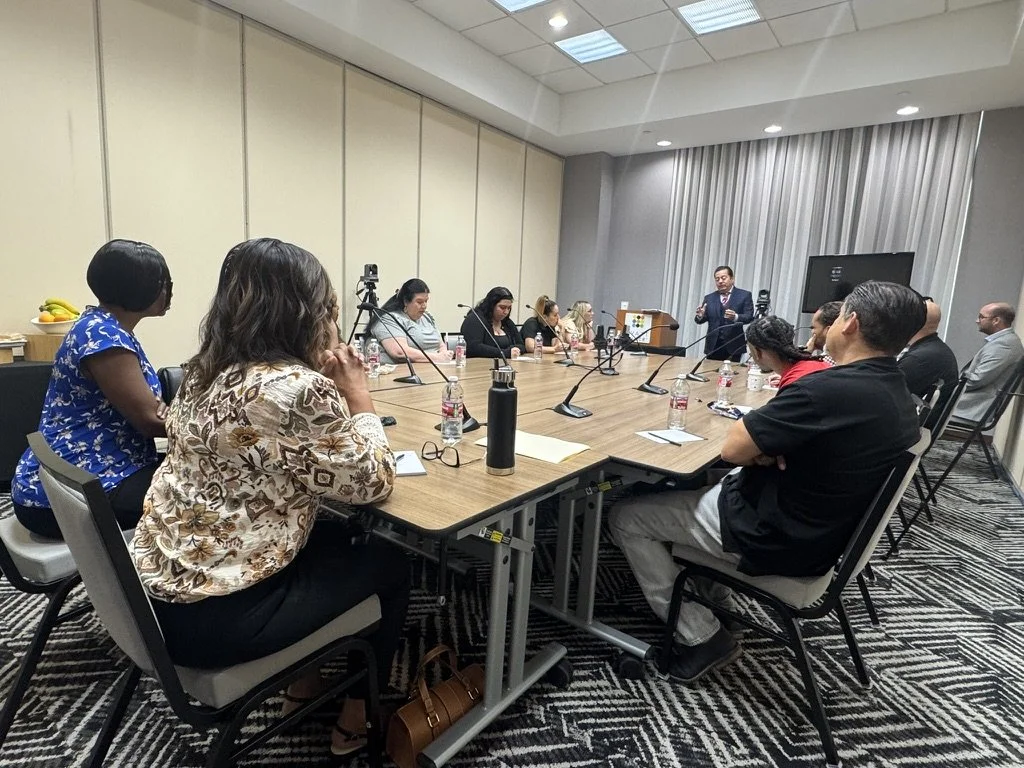
We We design and facilitate pre-trial focus groups to evaluate liability themes, damages narratives, witness credibility, evidentiary sequencing, and case valuation dynamics through the lens of juror psychology. Our process segments key components of the case including liability exposure, comparative responsibility, harm narratives, corporate conduct, and credibility assessments to identify decision drivers, persuasion gaps, cognitive friction points, and vulnerabilities. Through structured qualitative and quantitative feedback, we analyze how jurors interpret responsibility, assess fairness, weigh damages, and respond to competing themes, while examining bias triggers and perceptions that influence verdict outcomes. The result is refined strategic insight that strengthens case positioning before the courtroom tests it.
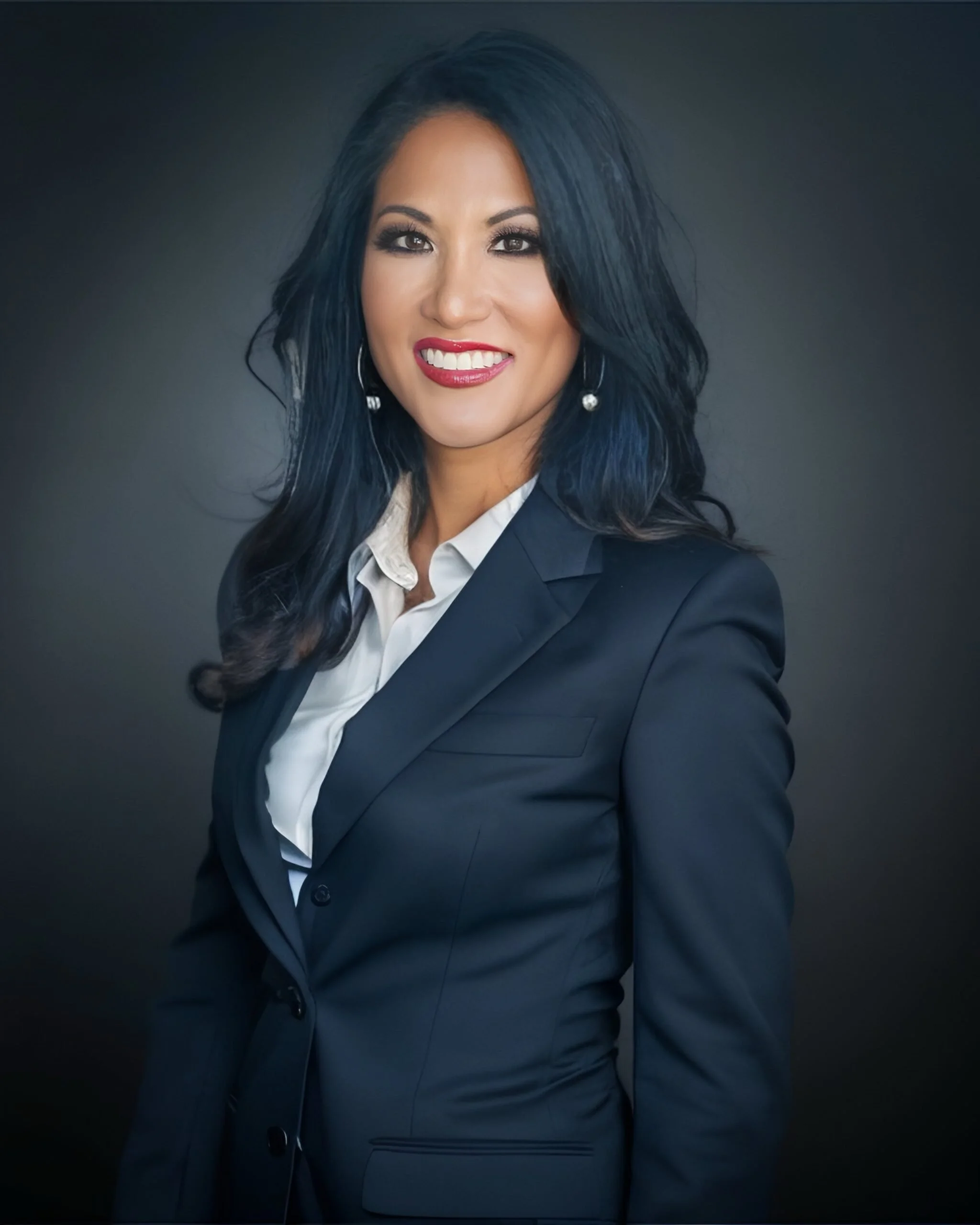
Dr. Tiffany Brandreth, The Bias Expert
With more than 25 years of experience navigating and working at the intersection of bias, power, and human behavior, Dr. Tiffany Brandreth is a nationally recognized expert is a nationally recognized organizational psychologist, social scientist, researcher, and award-winning practitioner specializing in how people think, interpret information, form judgments, and make decisions.
Her work spans Global 10 and Fortune 500 companies, government agencies, nonprofits, and privately held organizations, working nationally and internationally across cultures, generations, identities, professions, and positions of authority. This breadth of experience provides a unique understanding of how bias, perception, power, and human behavior influence decisions in complex, high-stakes environments.
As an organizational psychologist and social scientist, Dr. Brandreth brings deep expertise in the psychological mechanisms that shape human behavior, including cognitive bias, attribution, identity, belief formation, decision-making, and the capacity for change.
Her expertise bridges the boardroom and the courtroom—two environments where perception, power, and human judgment carry significant consequences.
In the boardroom, she advises leaders and organizations on identifying and addressing the behavioral and systemic conditions that undermine fairness, accountability, organizational culture, and performance.
In the courtroom, she works with trial attorneys through Pre-Trial Focus Groups, Witness Preparation, and Case Strategy Consultation, applying behavioral science and the psychology of influence to strengthen case narratives, reveal juror perceptions, anticipate resistance, and support persuasive advocacy.
What distinguishes Dr. Brandreth's approach is more than 25 years of practitioner-based research examining both the universal patterns of human behavior and the distinct ways individuals are perceived, judged, and treated across demographic differences.
Her work challenges the assumptions underlying conventional demographic profiling, revealing why race, age, gender, and other demographic characteristics alone cannot explain how an individual thinks, interprets information, or makes decisions.
Through her research and extensive work across cultures, generations, identities, and professions, she has identified the shared psychological needs and behavioral patterns that connect us as humans, while exposing how demographic differences shape perceptions, bias, and judgment.
This dual perspective is central to her work with trial attorneys: understanding what makes us different, what connects us as humans, and how both influence perception, persuasion, and decision-making.

25+ Years Experience
-
25+ years of practitioner experience examining and addressing how bias shapes perception, judgment, and decision-making. Her expertise helps trial attorneys understand how they, their clients, and witnesses are perceived and judged—including how their communication, behavior, and presentation influence credibility and interpretation. She identifies the underlying assumptions and biases shaping juror perceptions and develops strategies to challenge, counteract, and reframe those judgments to strengthen credibility, persuasion, and case outcomes.
-
Extensive expertise in cognitive, social, and behavioral psychology, combining qualitative research, quantitative assessments, and practitioner-based research with decades of experience studying, training, and coaching thousands of individuals across diverse cultures, generations, identities, and professions. Her work analyzes and strategizes how people think, communicate, interpret information, respond to influence, and make decisions, particularly in complex, high-stakes environments.
-
Doctorate-educated practitioner with expertise in analyzing the interconnected systems that govern organizational behavior, including culture, leadership, power structures, policies, processes, management practices, accountability mechanisms, and organizational decision-making. In employment litigation, she examines how these systems operate in practice, where breakdowns occur, how leadership actions or inaction contribute to workplace conditions, and whether organizational responses align with established professional standards of care. Her expertise extends beyond isolated HR decisions to evaluate the broader organizational conditions, systemic failures, and patterns of conduct that shape employee experiences and organizational outcomes.
-
Operating at the highest level of research-driven strategic analysis, she has designed and moderated more than 500 focus groups, uncovering the attitudes, beliefs, biases, and underlying factors that drive human judgment and decision-making. Her expertise lies in translating complex qualitative and quantitative findings into actionable intelligence—identifying patterns others overlook, anticipating barriers, and developing precise, evidence-informed strategies that strengthen persuasion and drive consequential outcomes.
Past Legal Engagements












THE FOUR INFLUENCERS TO A JURORS VERDICT
Jurors do not decide cases based on facts alone. Every trial is filtered through layers of perception, interpretation, and unconscious evaluation happening in real time.
Through decades of work in cognitive and behavioral psychology, I developed a framework that identifies four primary influencers shaping how jurors form judgments:
Attorney Presentation, Presence, and Delivery
Witness Credibility and Human Perception
Evidence Positioning and Narrative Framing
Deliberation Dynamics Inside the Jury Room
Within each of these areas, jurors are continuously processing subtle behaviors, micro-cues, and nonverbal signals, often without conscious awareness. Tone shifts, hesitation, confidence calibration, timing, relational alignment, and behavioral consistency are all being monitored, interpreted, and integrated into how credibility, trust, and plausibility are formed.
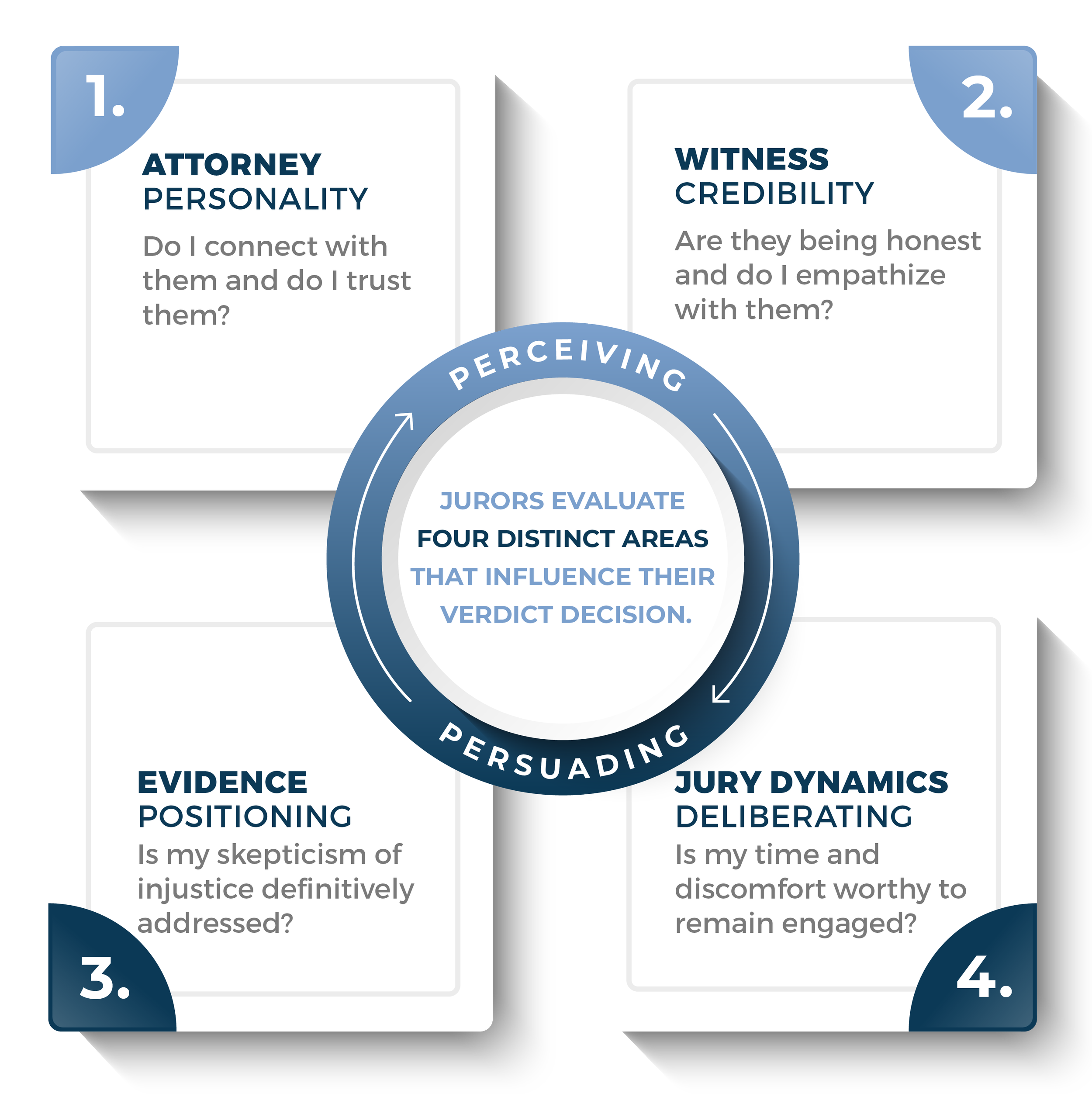
These micro-signals are frequently underestimated or overlooked, yet they play a decisive role in whether jurors connect, believe, and advocate during deliberations.
This cognitive and behavioral psychological framework identifies the space where I partner with attorneys, working inside the critical moments of trial preparation to refine positioning, strengthen credibility, and anticipate how decisions will actually form.
Prepare like you’ve never won. Perform like you’ve never lost.
Preparation is where you challenge what you think you know. Persuasion is where you transform how others think. The difference between the two is understanding the human mind—not just the facts of the case.
Interested in working together? Fill out some info, and we will be in touch shortly! We can't wait to hear from you!